

79 Years
Independence Day
1.4639 billion
India's population
Traveler’s Guide
Country Information About India
India, officially known as the Republic of India, is not just a country—it’s a vibrant mosaic of cultures, landscapes, languages, and traditions. Located in South Asia, India is the seventh-largest country by land area and the most populous democracy in the world. For travelers, India offers an unparalleled experience: from snow-capped Himalayan peaks to sun-drenched beaches, from bustling metropolises to tranquil villages, and from ancient temples to cutting-edge technology hubs.
This guide provides a detailed overview of India’s geography, culture, history, travel highlights, and practical tips to help you plan your journey with India Holidays.
- 🌍 Geography and Climate
- 🕉️ Culture and Religion
- 🏛️ History and Heritage
- 🧳 Travel Highlights
- 🐅 Wildlife and Nature
- 🛕 Spiritual and Wellness Tourism
- 🛍️ Shopping and Souvenirs
- 🍛 Food and Culinary Tourism
- 🛂 Travel Tips and Essentials
- 🌐 Connectivity and Communication
- 🧭 Best Time to Visit
- ✈️ Final Thoughts
View More
Country Information About India
🌍 Geography and Climate
India spans approximately 3.28 million square kilometers, making it the seventh-largest country in the world. It shares borders with Pakistan, China, Nepal, Bhutan, Bangladesh, and Myanmar, and is flanked by the Indian Ocean to the south.
Geographic Zones:
- The Himalayas: Towering in the north, these mountains are home to snow-capped peaks, alpine forests, and spiritual retreats.
- The Indo-Gangetic Plain: Fertile and densely populated, this region supports much of India’s agriculture.
- The Thar Desert: Located in Rajasthan, it offers golden dunes and vibrant desert culture.
- The Deccan Plateau: A vast elevated region in central and southern India.
- Coastal Regions: Kerala, Goa, and Tamil Nadu boast stunning beaches, backwaters, and tropical landscapes.
Climate:
India’s climate ranges from tropical in the south to alpine in the north.
- Winter (Oct–Feb): Cool and pleasant, ideal for travel.
- Summer (Mar–Jun): Hot and dry, especially in northern and central regions.
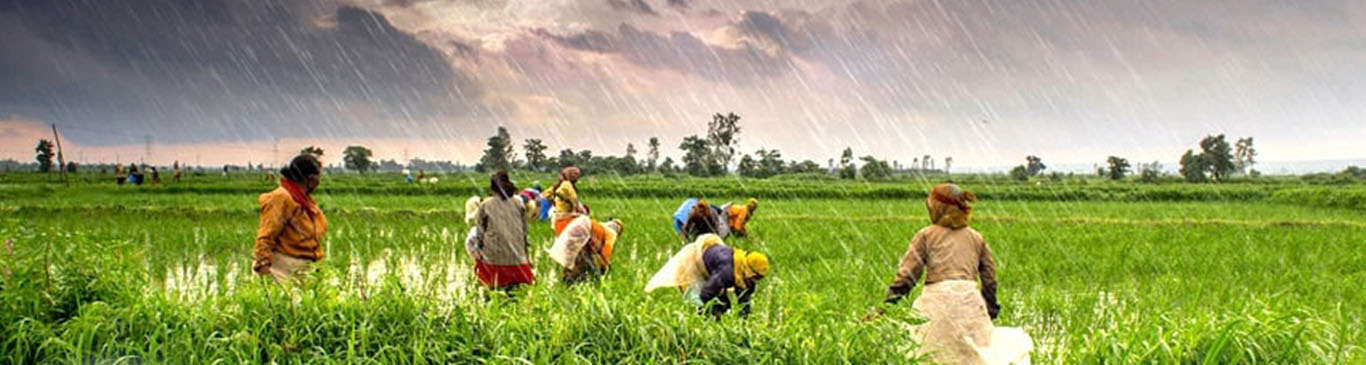
- Monsoon (Jun–Sep): Heavy rains, lush greenery, and dramatic landscapes.
Country Information About India
🕉️ Culture and Religion
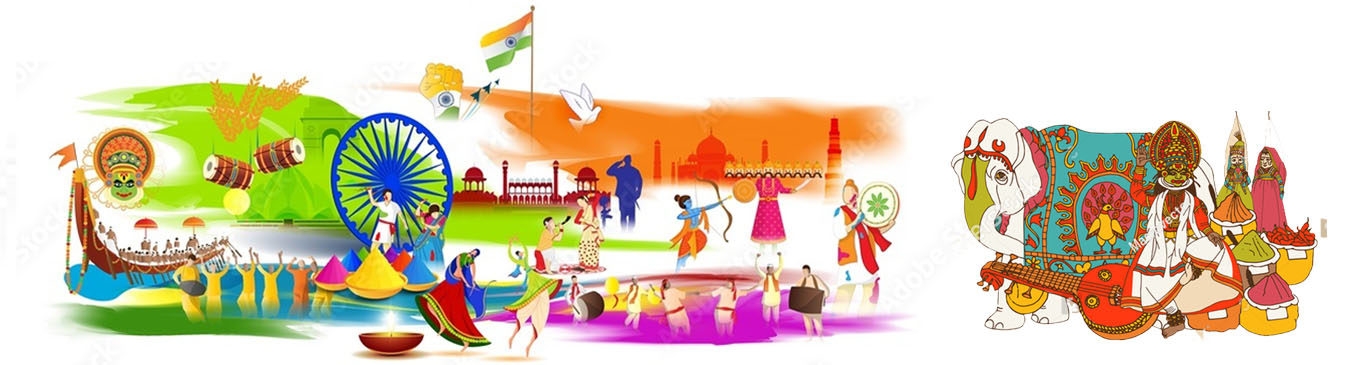
India’s cultural tapestry is woven from thousands of years of history and a multitude of ethnic groups and religions. It is the birthplace of Hinduism, Buddhism, Jainism, and Sikhism, and also home to large Muslim, Christian, Jewish, and Zoroastrian communities.
The Rise of Cultural Tourism
Durga Puja in Kolkata: During this spectacular festival, the city transforms into a living art gallery, with streets filled with massive pandals (temporary structures), creative art displays, music, dance, and food stalls at every corner.
Holi in Barsana: Beyond the familiar festival of colors, Barsana celebrates Lathmar Holi, where women playfully hit men with sticks amid clouds of gulaal (colored powder), music, and laughter—creating one of India’s most unforgettable cultural experiences.
Onam in Kerala: Kerala’s biggest celebration showcases the state’s culture through beautiful flower carpets, grand feasts served on banana leaves, and thrilling snake boat races that fill the backwaters with excitement
Diwali (October-November): The festival of lights illuminates the entire country with lamps, fireworks, and sweets, creating a magical atmosphere.
Geographic Zones:
- The Himalayas: Towering in the north, these mountains are home to snow-capped peaks, alpine forests, and spiritual retreats.
- The Indo-Gangetic Plain: Fertile and densely populated, this region supports much of India’s agriculture.
- The Thar Desert: Located in Rajasthan, it offers golden dunes and vibrant desert culture.
- The Deccan Plateau: A vast elevated region in central and southern India.
- Coastal Regions: Kerala, Goa, and Tamil Nadu boast stunning beaches, backwaters, and tropical landscapes.
Climate:
India’s climate ranges from tropical in the south to alpine in the north.
- Winter (Oct–Feb): Cool and pleasant, ideal for travel.
- Summer (Mar–Jun): Hot and dry, especially in northern and central regions.
- Monsoon (Jun–Sep): Heavy rains, lush greenery, and dramatic landscapes.

Country Information About India
🏛️ History and Heritage
India’s history is a saga of ancient civilizations, powerful empires, colonial rule, and a resilient independence movement.
UNESCO World Heritage and Historic Cities
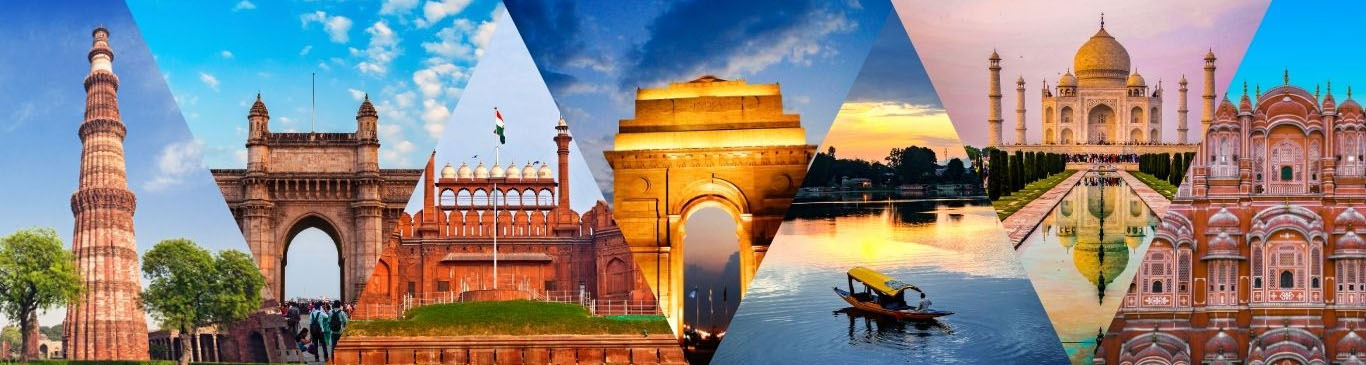
Beyond festivals, India’s cultural wealth is preserved in its historic cities and UNESCO World Heritage sites, which 39% of travelers now prioritize visiting. The iconic Taj Mahal in Agra continues to draw visitors from around the world, but there is growing interest in other heritage sites like the ancient ruins of Hampi, once the capital of the Vijayanagara Empire. Historic cities such as Jaipur with its royal palaces and forts, and Varanasi—one of the world’s oldest continuously inhabited cities—offer profound glimpses into India’s living history.
Key Historical Periods:
- Indus Valley Civilization (3300–1300 BCE): One of the world’s earliest urban cultures.
- Maurya and Gupta Empires: Golden ages of philosophy, science, and art.
- Mughal Empire (1526–1857): Known for architectural marvels like the Taj Mahal.
- British Raj (1858–1947): Colonial rule that shaped modern infrastructure and institutions.
- Post-Independence Era: India became a republic in 1950 and has since grown into a global economic and cultural powerhouse.
UNESCO World Heritage Sites:
- Taj Mahal (Agra)
- Qutub Minar (Delhi)
- Hampi (Karnataka)
- Khajuraho Temples (Madhya Pradesh)
- Ajanta and Ellora Caves (Maharashtra)
Country Information About India
🧳 Travel Highlights
India offers a vast array of travel experiences, from spiritual pilgrimages to luxury beach vacations.
Must-Visit Destinations and Experiences
Iconic Cities and Cultural Hubs
Varanasi: As one of the world’s oldest continuously inhabited cities, Varanasi offers a powerful spiritual experience. Life here revolves around the ghats of the Ganges River, where daily rituals unfold amidst ancient temples and narrow lanes. The city has seen a 76% surge in travel searches for 2025 compared to the previous year
Jaipur: The pink city of Rajasthan embodies royal charm with its magnificent palaces, forts, and vibrant markets that transport visitors to the region’s regal past
Kochi, Kerala: This coastal city in southern India blends Portuguese, Dutch, and British influences with local Keralan culture. Don’t miss the Chinese fishing nets, spice markets, and day trips to the famous Kerala backwaters
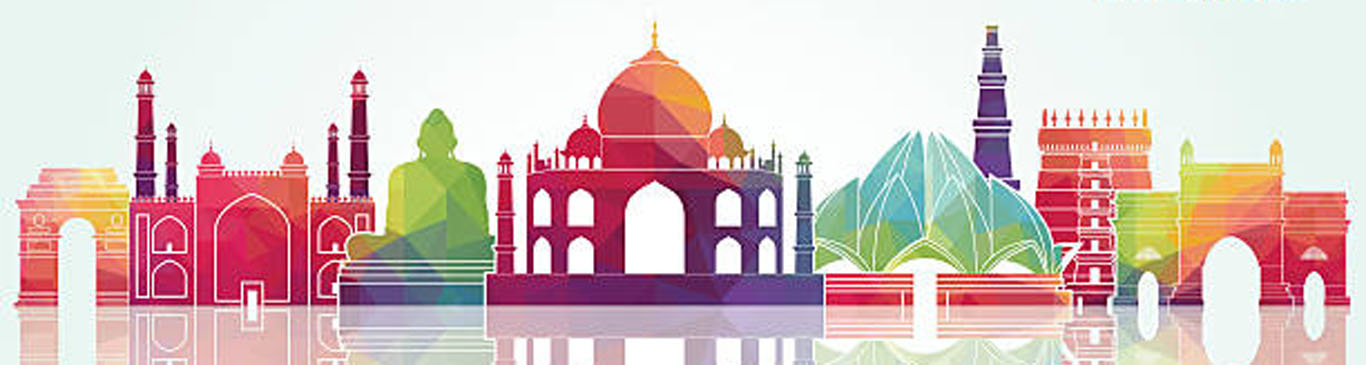
Delhi: India’s capital seamlessly combines ancient monuments with modern urban life. Key sights include the Jama Masjid (India’s largest mosque), Chandni Chowk marketplace, India Gate, Humayun’s Tomb, and the Lotus Temple.
Northern India:
- Delhi: A blend of ancient monuments and modern life.
- Agra: Home to the iconic Taj Mahal.
- Jaipur: The Pink City, known for forts and palaces.
- Varanasi: A spiritual city on the banks of the Ganges.
Southern India:
- Kerala: Backwaters, houseboats, and Ayurvedic retreats.
- Tamil Nadu: Temple architecture and classical arts.
- Karnataka: Historical sites like Hampi and Mysore.
- Goa: Beaches, nightlife, and Portuguese heritage.
Eastern India:
- Kolkata: Colonial architecture and literary legacy.
- Odisha: Sun Temple in Konark and tribal cultures.
- Sikkim: Himalayan beauty and Buddhist monasteries.
Western India:
- Mumbai: Financial hub and Bollywood capital.
- Rajasthan: Desert landscapes and royal heritage.
- Gujarat: Gir National Park and the Rann of Kutch.
Country Information About India
🐅 Wildlife and Nature
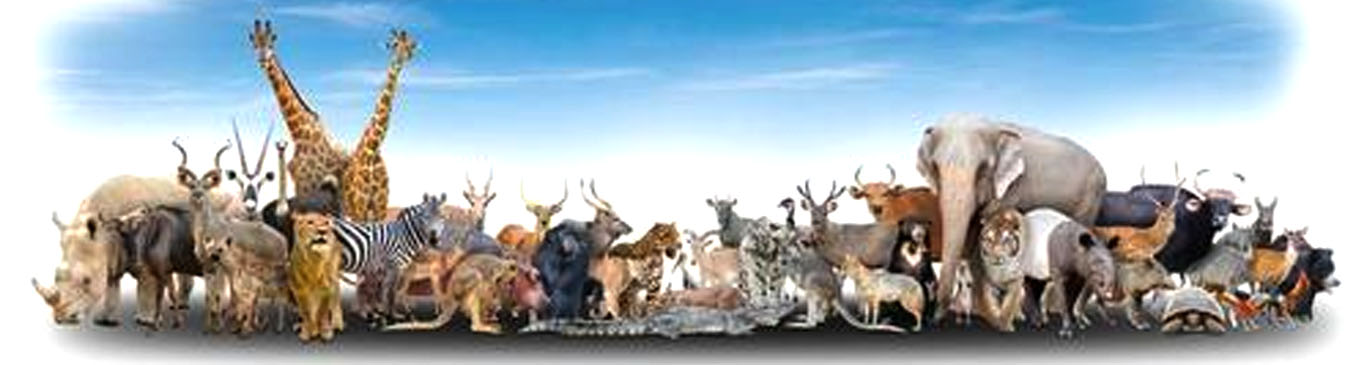
India is a biodiversity hotspot with over 100 national parks and wildlife sanctuaries.
Natural Landscapes and Wilderness
Beyond its cultural attractions, India boasts breathtaking natural diversity:
The Himalayas: From the stunning high-altitude lakes of Ladakh to the spiritual retreats of Rishikesh, the Indian Himalayas offer unparalleled trekking, meditation, and adventure opportunities.
Kerala Backwaters: A network of tranquil canals and rivers lined with palm trees, best experienced on a traditional houseboat cruise.
National Parks and Tiger Reserves: India is home to over 50 tiger reserves where visitors can spot Bengal tigers, along with diverse wildlife including leopards, elephants, and numerous bird species.
Popular Wildlife Destinations:
- Ranthambore: Tigers and leopards.
- Kaziranga: One-horned rhinoceros.
- Jim Corbett: India’s oldest national park.
- Sundarbans: Mangrove forests and Bengal tigers.
Eco-Tourism:
- Trekking in Himachal Pradesh and Uttarakhand.
- Birdwatching in Bharatpur and Chilika Lake.
- River rafting in Rishikesh and Zanskar.

Country Information About India
🛕 Spiritual and Wellness Tourism
India is a global center for spirituality and wellness, attracting seekers from around the world.
Festivals: India’s Calendar of Living Traditions
India’s festival calendar provides unparalleled opportunities to witness the country’s cultural vibrancy firsthand:
Durga Puja in Kolkata: During this spectacular festival, the city transforms into a living art gallery, with streets filled with massive pandals (temporary structures), creative art displays, music, dance, and food stalls at every corner.
Holi in Barsana: Beyond the familiar festival of colors, Barsana celebrates Lathmar Holi, where women playfully hit men with sticks amid clouds of gulaal (colored powder), music, and laughter—creating one of India’s most unforgettable cultural experiences.
Onam in Kerala: Kerala’s biggest celebration showcases the state’s culture through beautiful flower carpets, grand feasts served on banana leaves, and thrilling snake boat races that fill the backwaters with excitement.
Diwali (October-November): The festival of lights illuminates the entire country with lamps, fireworks, and sweets, creating a magical atmosphere.
Key Destinations:
- Rishikesh: Yoga capital of the world.
- Varanasi: Sacred city for Hindus.
- Bodh Gaya: Where Buddha attained enlightenment.
- Auroville: Experimental township focused on human unity.
Wellness Experiences:
- Ayurveda: Herbal treatments and therapies.
- Meditation Retreats: Available in ashrams and wellness centers.
- Spa Resorts: Found in Kerala, Goa, and the Himalayas.

Country Information About India
🛍️ Shopping and Souvenirs
India offers a treasure trove of shopping experiences, from street markets to luxury boutiques.
What to Buy:
- Handicrafts: Pottery, woodwork, and metal art.
- Textiles: Silk sarees, pashmina shawls, and block-printed fabrics.
- Jewelry: Gold, silver, and traditional designs.
- Spices and Tea: Authentic flavors from local markets.
Popular Markets:
- Chandni Chowk (Delhi)
- Colaba Causeway (Mumbai)
- MG Road (Bengaluru)
- Bapu Bazaar (Jaipur)
Country Information About India
🍛 Food and Culinary Tourism
Indian cuisine is a journey in itself, with flavors that range from fiery to sweet, and everything in between.
Culinary Journeys
Indian cuisine represents one of the world’s great culinary traditions, with remarkable regional variations:
North Indian: Known for rich curries like butter chicken, flatbreads (naan, parathas), and street food favorites like samosas.
South Indian: Famous for its spicy dishes, rice-based preparations, and breakfast staples like dosas (fermented crepes) and idlis.
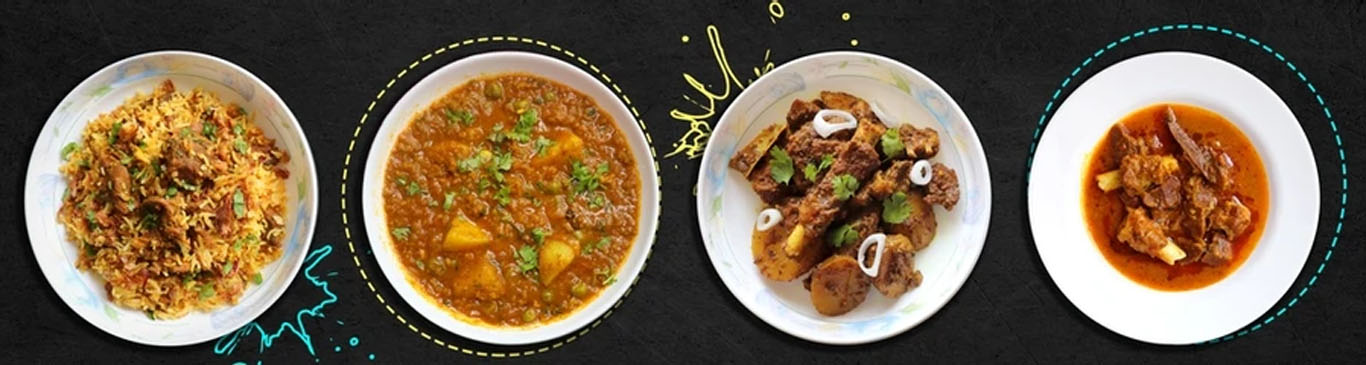
Street Food: From pani puri to chole bhature, India’s street food scene is extraordinary. To avoid illness, look for vendors with high turnover, stick to freshly cooked items, and avoid tap water and ice.
Regional Delicacies:
- North India: Butter chicken, chole bhature, kebabs.
- South India: Dosa, idli, fish curry.
- East India: Macher jhol (fish curry), momos.
- West India: Dhokla, pav bhaji, seafood.
Culinary Experiences:
- Cooking classes in Jaipur and Kochi.
- Street food tours in Delhi and Mumbai.
- Spice plantation visits in Kerala.
Country Information About India
🛂 Travel Tips and Essentials
For an unforgettable journey through India, planning and cultural awareness are key. From visa requirements to local etiquette, a few essential tips will help you navigate this vibrant and diverse country.
Entry Requirements and Documentation
Traveling to India requires some advance preparation, particularly regarding documentation:
Visa: Most foreign nationals need a visa to enter India. The e-visa system provides a straightforward online application process through the Indian government’s website, typically requiring submission within one month of your planned arrival.
Passport: Your passport must be valid for at least six months beyond your date of arrival in India.
Travel Insurance: Comprehensive travel insurance is strongly recommended, particularly as your policy could be invalidated if you travel to areas against official advice.
Visa and Entry:
Most travelers require a visa to enter India. E-visas are available for citizens of many countries.
Transportation:
- Domestic Flights: Connect major cities.
- Trains: Extensive network with scenic routes.
- Buses and Taxis: Widely available.
- Metro Systems: Operate in cities like Delhi, Mumbai, and Bengaluru.
Health and Safety:
- Drink bottled water.
- Carry basic medications.
- Be cautious with street food.
- Respect local customs and dress modestly in religious places.
Currency:
- Indian Rupee (INR)
- Credit cards accepted in urban areas; cash preferred in rural regions.

Country Information About India
🌐 Connectivity and Communication
India has widespread mobile coverage and internet access. SIM cards are easily available for tourists, and Wi-Fi is common in hotels and cafes.
Safety and Security
While India is generally safe for travelers, it’s important to stay informed about regional advisories. The UK Foreign, Commonwealth & Development Office currently advises against all travel to the Union Territory of Jammu and Kashmir (except for air travel to and within Jammu city) and within 10km of the India-Pakistan border.
They also advise against all but essential travel to the state of Manipur, where intermittent violence continues. Beyond these specific areas, practicing common-sense safety precautions is advisable—especially for solo female travelers. This includes dressing modestly, avoiding isolated areas after dark, using registered transportation services, and staying connected with family and friends.
🧭 Best Time to Visit
- October to March: Ideal for most regions due to pleasant weather.
- April to June: Good for hill stations.
- July to September: Monsoon season; lush landscapes but heavy rains
Country Information About India
✈️ Final Thoughts
India is not just a destination—it’s an experience that stays with you long after your journey ends. With India Holidays, you can explore this incredible country through curated packages that ensure comfort, authenticity, and unforgettable memories. Whether you’re seeking spiritual awakening, cultural immersion, or natural beauty, India welcomes you with open arms and endless possibilities.
Embracing India’s Transformative Power
India remains one of the world’s most compelling destinations, offering not just a vacation but what many describe as a transformative experience. As travel trends evolve, the growing quest for depth and authentic connection has given rise to what industry experts term “the culture curious traveler“—one who seeks knowledge, meaning, and fulfillment through their journeys. India delivers this in abundance, inviting visitors to dive into its vibrant chaos, ancient wisdom, and breathtaking beauty.
The country’s tourism landscape in 2025 reflects this desire for immersion, with travelers increasingly combining cultural discovery with comfort, luxury, and leisure—a blend that encourages longer stays and deeper engagement. As you plan your Indian adventure, remember that the true magic often lies not in checking sights off a list, but in allowing yourself to be changed by the experience. Whether you’re watching sunrise over the Taj Mahal, sharing chai with a local family, or navigating the bustling energy of a traditional bazaar, India promises memories that will linger long after you’ve returned home.
As a seasoned traveler who has explored India extensively recommends: “Take it easy. Start slow. And embrace the rush of chaos that is so incredible—and so India.”
Would you like help planning a custom itinerary or exploring holiday packages for specific regions of India?
