

Sprawling across 1,334 square kilometers where the ancient Aravalli and Vindhya mountain ranges converge in southeastern Rajasthan, Ranthambore National Park is globally recognized as the premier sanctuary on earth for observing the iconic Royal Bengal Tiger (Panthera tigris tigris) hunting, bathing, and patrolling in broad daylight against a backdrop of 1,000-year-old medieval fortress ruins.
Ranthambore Safari Guide Contents
- 1. The Legendary Tigers of Ranthambore
- 2. The 10 Safari Zones Explained
- 3. Safari Vehicles: 6-Seater Gypsy vs 20-Seater Canter
- 4. Morning vs Afternoon Safari Slots
- 5. How to Book Safari Permits (90-Day Rule)
- 6. Top Luxury Tented Jungle Lodges
- 7. Wildlife Photography Master Tips
- 8. Ranthambore Safari FAQs
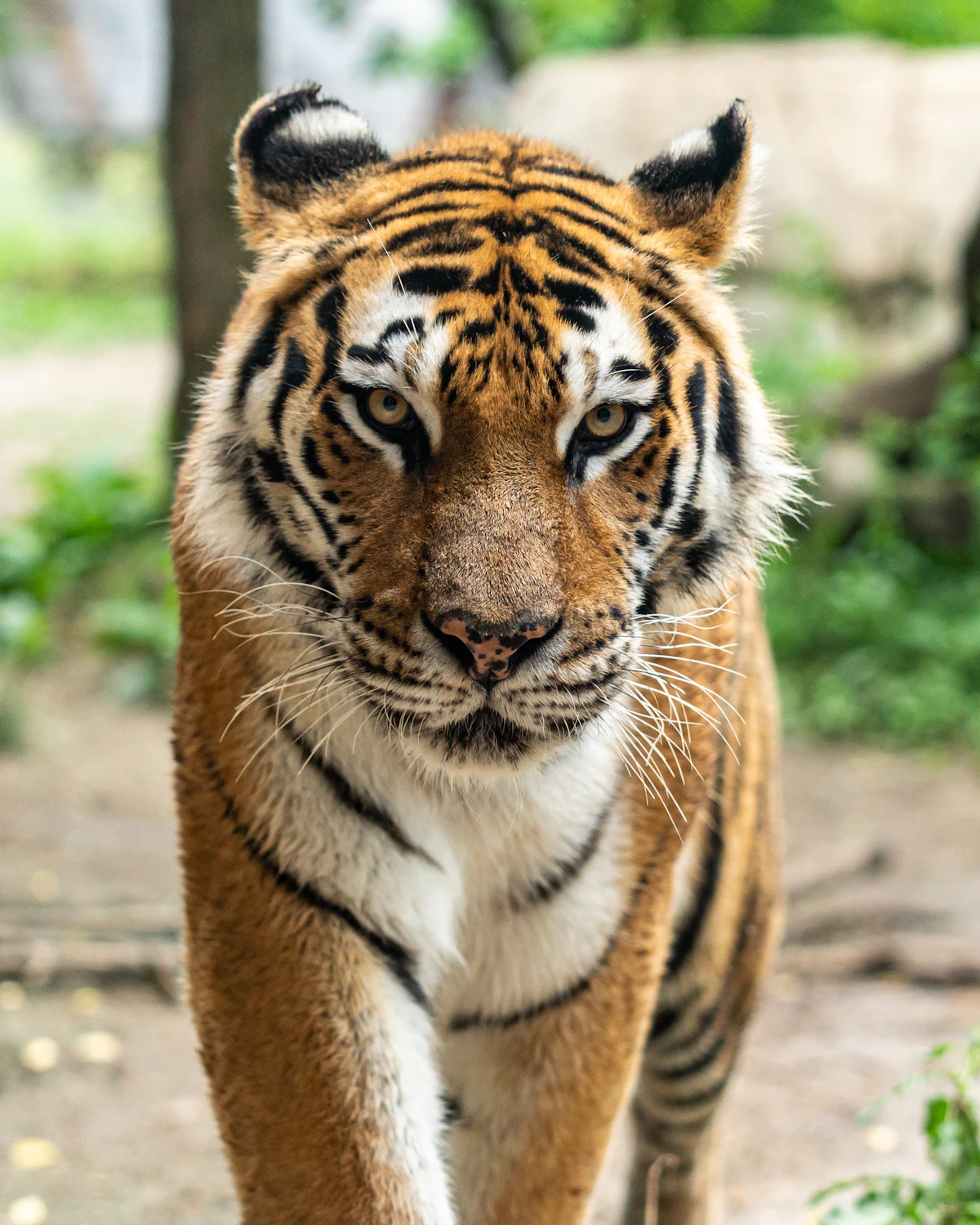
1. The Legendary Tigers & History of Ranthambore
Originally the private hunting grounds of the Maharajas of Jaipur, Ranthambore was declared a wildlife sanctuary in 1957, brought under India’s Project Tiger in 1973, and gained national park status in 1980. Today, it is home to over 80 wild tigers.
Ranthambore is famous worldwide for its individual tiger dynasties—most notably the legendary tigress Machli (T-16), known as the “Lady of the Lakes” and “Queen Mother of Ranthambore,” whose lineage continues through dominant females like Arrowhead, Riddhi, and Siddhi.
2. The 10 Safari Zones Explained
The park is divided by the Rajasthan Forest Department into 10 safari zones to regulate vehicle density and preserve wildlife corridors:
| Zone Range | Landscape Features | Historic Monuments | Tiger Sighting Density |
|---|---|---|---|
| Zones 1 to 5 (Core Historic Area) | Padam Talao, Rajbagh Lake, Malik Talao, Banyan forests | Ranthambore Fort ruins, Jogi Mahal, Rajbagh Palace arches | Very High (Prime territory of lake-loving tiger families) |
| Zones 6 to 10 (Buffer Hill Reserves) | Rocky hills, dry ravines, grasslands, perennial streams | Kala Mahal, Soleshwar Mahadev temple, steep gorges | High (Territory of young males and leopards) |


3. Safari Vehicle Comparison: Gypsy vs Canter
Why We Recommend the Private 4×4 Gypsy:
- Maneuverability: Quietly follows narrow jungle tracks and turns swiftly when alarm calls sound.
- Low-Angle Photography: Eye-level perspective with walking tigers and leopards.
- Exclusivity: Dedicated naturalist guide focused entirely on your party.
5. Important Permit Booking Rules (90-Day Window)
Due to strict conservation quotas, only a limited number of vehicles are permitted per zone each morning and afternoon. Safari permits open exactly 90 days in advance on the Rajasthan Single Sign-On (SSO) portal. We strongly urge guests to book their safari permits at least 60 to 90 days prior to travel, especially for travel between October and April.
Book Your Ranthambore Tiger Safari
Let India Holidays secure your private 4×4 Gypsy permits, top safari zones, expert naturalists, and luxury tented lodge stays.
